Let's talk about the invisible stopwatch
Honestly, most of the pressure around orgasm speed isn't coming from your partner. It's coming from you. From years of rushed mornings, multitasking, or watching sex in films where everything happens in 90 seconds flat. Your nervous system learned long ago that there's no time to linger, so it doesn't.
The problem is that your body doesn't operate on a production schedule. Pleasure can't be rushed. When you're watching the clock instead of feeling your body, your nervous system tenses up, blood flow constricts, and ironically, orgasm becomes harder to reach.
Lemon vibrators work differently in this context because they give you permission to slow down. Not in a spiritual sense. In a mechanical sense. Let me explain why.
Why the pressure shows up in your body
When you feel like you "should" be coming by now, three things happen simultaneously. Your pelvic floor muscles tighten (the opposite of what helps orgasm). Your breathing gets shallow. Your brain switches from sensation mode to performance mode, checking whether you're on schedule yet.
This is a real physiological state. It's called sympathetic nervous system dominance. Your body thinks there's a deadline, so it stops prioritizing pleasure and starts prioritizing efficiency. Which is why you can feel stimulation but not actually feel the pleasure of it.
The research on this is solid. Studies on sexual satisfaction consistently show that people who feel rushed or watched have lower orgasm rates and less satisfaction. The fix isn't a faster toy. It's permission to take your time.
How lemon clitoral vibrators help you reset the clock
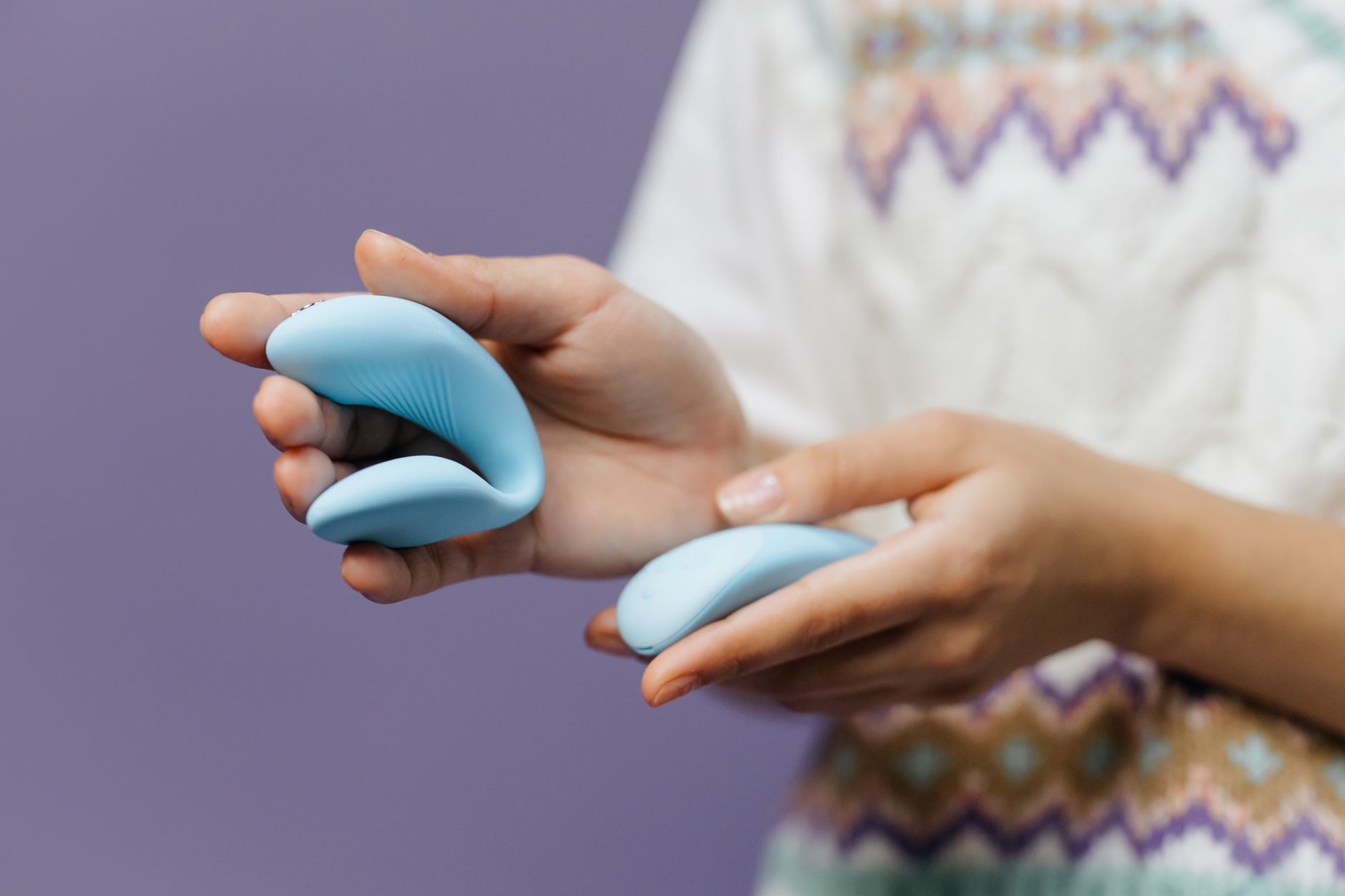
A lemon sucker like the one My Lem Toy makes works through gentle, consistent suction rather than vibration. This matters because suction creates a different sensation arc than traditional vibrators. It's slower to build, harder to plateau on, more rhythmic.
When you use a lemon vibrator with the explicit intention of going slowly, you're retraining your nervous system. You're telling your body: we're not in a race. There's no finish line. The pleasure itself is the destination.
Here's what actually changes: instead of chasing an orgasm, you're noticing sensation. That shift in attention is what unlocks the pressure.
The practical steps for slowing down
Three things to do before you even pick up your lemon clitoral vibrator.
First, set a timer for 30 minutes and put it face down on the nightstand. Not because you need to fill 30 minutes. Because knowing there's no external deadline helps your nervous system relax. You're not trying to finish by 10 p.m. You're just allowing yourself the time to explore.
Second, spend 10 minutes on literally anything else. A shower. Reading. Stretching. Let your brain power down from the day before you even consider sex. People who transition directly from work email to orgasm expectations are fighting an impossible battle.
Third, start with your hands first. Spend 5 to 10 minutes touching your own body without any goal. Not working toward orgasm. Just noticing texture, temperature, sensitivity. This tells your nervous system that this time is for you, not for performance.
Now pick up your lemon vibrator. Set it to the lowest setting. Spend 5 to 7 minutes just on the external area of your vulva. Not trying to feel anything specific. Just letting your body acclimatize to the sensation. This is the part most people skip, and it's the part that matters most.
If your mind starts counting down ("Okay, been on low for 5 minutes, should I turn it up?"), notice that thought and let it pass. That's your performance brain checking in again. Thank it for trying to help and then return to sensation.
Why pacing with a lemon vibrator rewires your baseline
When you repeat the slow approach with a lemon sexual toy, something shifts in your nervous system over time. The pressure doesn't disappear immediately. But you start to realize that slower actually feels better. That patience pays off. That pleasure doesn't need a script.
This is especially true if you use a lemon clitoral vibrator alongside a partner. Tell them what you're doing. "I'm exploring slower sensations, and I might not come, and that's completely fine." That conversation alone removes so much pressure. You're no longer in a performance scenario. You're both just exploring.
One thing I've seen with clients who switch to this approach: after about two weeks of slower sessions with a lemon vibrator, their orgasms actually change. They become less of a on/off switch and more of a gradual wave. Sometimes multiple waves. And they're less concerned with whether it "counts" because they're already deep in sensation before they arrive.
The conversation you need to have
If you share a bed with someone, they need to know what's happening. Not because they're the problem, but because their anxiety about "taking too long" can pile on top of your own. A simple message helps: "I'm working on slowing down and paying attention to pleasure instead of rushing toward an outcome. This might look different than before, and that's intentional."
Partners who care about your pleasure usually want this information. It lets them off the hook too. They're no longer wondering if they're doing something wrong. They're invited into a different kind of intimacy.
When lemon vibrators alone aren't enough
If you're using a lemon clitoral vibrator slowly and intentionally but the pressure still shows up, that's worth exploring with a therapist or a sex-positive counselor. Sometimes the pressure isn't about technique. It's about deeper things: past experiences, control, anxiety, or relationship dynamics that need untangling.
But most of the time, what people need isn't a different tool. It's permission to use the tool differently. A lemon vibrator at low speed, with intention, with a clear hour of uninterrupted time, changes everything.
Reframing what "working" means
A session where you use your lemon sexual toy for 45 minutes and don't orgasm isn't a failure. It's data. It's your nervous system learning that there's safety in slowness. It's pleasure without performance. That's the whole point.
Your most satisfying sessions might not be your fastest ones. And once you accept that, the pressure dissolves. You're not chasing anything anymore. You're just paying attention to what feels good, and letting your body respond to that on its own timeline.
People also ask
How long should I actually spend with a lemon vibrator if I'm trying to slow down?
There's no magic number, but most people find that 20 to 40 minutes is the sweet spot. Long enough for your nervous system to fully relax and for sensation to build naturally. Short enough that you're not treating it like a chore. The goal isn't a specific duration, it's patience. If you're watching the clock, you're not slowing down. If you're lost in sensation, you're probably in the right zone.
Can lemon clitoral vibrators actually help if the pressure is coming from my partner?
Partly. A lemon vibrator gives you autonomy and a different sensation experience. But if your partner is actively pushing you to orgasm faster or making you feel rushed, that's a relationship conversation, not a toy conversation. You might use your lemon vibrator to rediscover pleasure on your own terms first, then bring that confidence into the partnered dynamic. Tools help, but communication matters more.
What's the difference between a lemon vibrator and a traditional vibrator for slow play?
Traditional vibrators often work through rapid vibration, which can feel stimulating but also jarring if you're trying to slow down. A lemon suction vibrator builds sensation more gradually through gentle pressure and release. It's harder to plateau on, so it naturally encourages a slower exploration. If you're specifically trying to reset your nervous system, suction-based lemon vibrators tend to work better than buzzy vibrations.
Is it normal to not orgasm even with a lemon vibrator when you're taking your time?
Completely normal. If you've spent years chasing orgasm, your body might not know how to relax into pleasure without a goal. That's actually fine. Sessions where you use a lemon clitoral vibrator without expecting an outcome often become your most satisfying ones. Orgasm happens or it doesn't. The pleasure is the point either way.
How do I know if I'm slowing down enough?
You're probably slowing down enough when you lose track of time. When you can't remember if it's been 5 minutes or 15. When your mind isn't narrating what you're doing. That's the state where your nervous system has finally shifted out of performance mode. If you're still thinking about outcomes, speed up your timeline. Slow usually means slower than you think.
Can I use a lemon vibrator slowly with a partner present?
Absolutely. In fact, it can be more intimate. Your partner can be present without touching, watching you explore at your own pace. Or they can touch you elsewhere while you use your lemon vibrator. The key is that you're directing the pace and the sensation. You're not performing for them. You're exploring, and they're witnessing. That's a completely different dynamic than the usual pressure-based scenario.
The takeaway
Pressure around orgasm speed is real, and it changes how your body responds. Slowing down isn't about becoming spiritual or mindful, though those things can happen. It's about giving your nervous system the conditions it needs to relax and feel. A lemon vibrator, used intentionally and slowly, creates those conditions. Your body knows how to feel pleasure. It just needs permission to take its time.