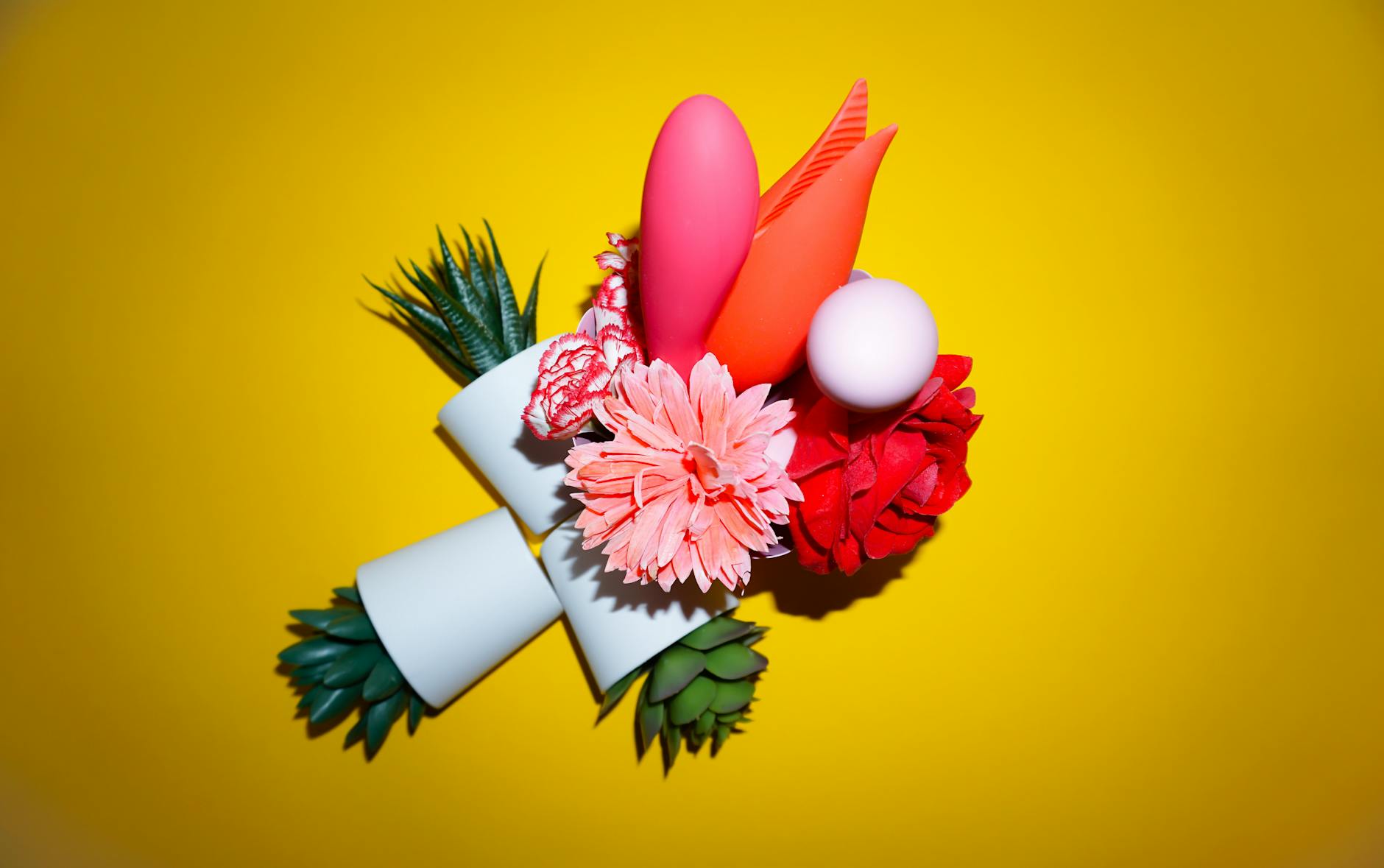
Let's start with the real part
Long-term relationship stress does something specific to desire. It doesn't just lower it, it severs it. You stop wanting because wanting feels dangerous. Vulnerability shrank. Trust eroded. Your body knows this before your brain does, so when your partner reaches for you, there's nothing there. That makes sense. Rebuilding isn't about forcing yourself to feel what you don't. It's about creating the conditions where desire can exist again. A lemon clitoral vibrator can be one of those conditions.
I've worked with dozens of couples rebuilding after financial crisis, illness, infidelity, periods of disconnection so long they forgot what the other person's touch felt like. The couples who reconnect aren't the ones who white-knuckle their way through missionary sex. They're the ones who give themselves permission to access pleasure separately first, then bring it back into the relationship when both people are ready. That's where the Lem comes in.
Why pleasure feels complicated after stress
When a relationship has been through something hard, sex becomes loaded with meaning it shouldn't carry. A single touch becomes a referendum on whether you've forgiven each other. A lack of response becomes proof that the relationship is broken. Your nervous system has learned to stay defensive during intimacy because intimacy stopped feeling safe. Your body is protecting you. That's not a problem. That's information.
What makes lemon vibrators different from partnered sex in this moment is that they're entirely in your control. They don't depend on another person's availability, emotional state, or readiness to connect. They don't require trust you haven't rebuilt yet. They let you start with yourself, which is exactly what a nervous system needs after prolonged stress.
Research on couples therapy shows that individual sexual pleasure isn't competitive with partnership. Quite the opposite. Partners who can access pleasure independently are more likely to experience pleasure together because they're not carrying all their unmet needs into the bedroom.
Building safety back into your own body first
After long-term stress, many people report feeling numb in their body. Touch doesn't register the same way. Orgasms are either absent or feel hollow. That's not a personal failing. That's what chronic stress does to your nervous system. You need to reintroduce sensation slowly and without pressure.
Start alone. This isn't about performance or reaching an outcome. It's about remembering what pleasure feels like when there's zero audience, zero stakes, zero expectation.
Begin with the lowest settings on a lemon vibrator. The Lem's suction patterning means you don't need direct pressure to feel something. This is crucial because after stress, your clitoris often needs gentle reintroduction. Let yourself spend 15-20 minutes just noticing. Notice where the sensation is strongest. Notice where it's muted. Notice how your breathing changes. Notice when your mind starts narrating a story and gently bring it back to sensation.
Most people expect pleasure to feel like it used to. It won't, not yet. It will feel different. Maybe muted. Maybe strange. That's normal. Your body is coming back online. This takes time.
Three ways lemon vibrators help couples reconnect
They separate pleasure from performance. In relationships where stress has created distance, sex often becomes goal-oriented. Will he finish? Will she come? Can we get through this without it feeling awkward? A lem vibrator, used solo, removes that pressure entirely. When you know you can access your own pleasure, suddenly partnered sex becomes something you choose, not something you're obligated to navigate.
They rebuild trust in your own body. After relationship stress, your body feels like it belongs to someone else's narrative. Using a clitoral vibrator privately gives you back ownership. You're making choices about what feels good. You're learning your own edges. You're not waiting for a partner to figure you out. That agency matters more than you think.
They create a bridge between solo and shared pleasure. Once you've rebuilt your own sensation, you can invite your partner in. Some couples use the lemon vibrator together as foreplay. Some use it during partnered sex. Some partners watch. The specific logistics don't matter. What matters is that you're both in control and both consenting at every step.
The conversation you need to have first
Using a lemon vibrator when you're rebuilding intimacy with a partner requires one conversation before you bring the toy into the bedroom. This isn't a surprise.
Say something like: "I want to work on us. Part of that means I need to rebuild my sense of what feels good in my own body. I'm thinking about using a vibrator solo, and I want to be honest about it with you."
Then listen. Your partner might feel relieved. They might feel insecure. They might feel excluded. All of those feelings are valid and none of them are predictions about whether this will work. What matters is that you're communicating instead of sneaking around. Trust rebuilds through honesty, not through pretending you're fine when you're not.
If your partner is also interested in your pleasure, the conversation might expand. Some couples explore using the vibrator together as part of rebuilding physical connection. Others keep it separate for a while. Neither approach is wrong. You're negotiating what works for both of you.
When to bring it into partnered sex
You'll know when you're ready because you'll stop thinking of the vibrator as separate from partnership. You'll be able to imagine your partner watching you use it without shame. You'll notice desire building, not just for the vibrator, but for your partner.
When that shift happens, start small. Some couples use the lem vibrator as part of foreplay. One partner might use it while the other touches them elsewhere. The sensation of suction combined with a partner's hands or mouth creates a depth of stimulation that reminds people why they chose each other.
Other couples use a lemon clitoral vibrator during penetration if that's part of their repertoire. The dual sensation can help people experience pleasure again in ways they thought were lost.
The key is that this happens because both people want it, not because one person is trying to fix the other. Desire isn't leverage. It's not proof of anything except that your nervous system has decided this moment is safe enough.
The real timeline
Here's what I tell couples rebuilding: there's no timeline. Your timeline might be three months. It might be a year. You might use a lemon vibrator solo for six months before bringing it into partnered sex. That's all fine. You're not on anyone's schedule but your own.
What matters is that you're creating conditions for desire to exist again. That you're communicating. That you're honoring what your body is telling you, even when that message is "not yet."
Long-term relationship stress fractures intimacy. But fractures can heal. They heal stronger than they were before, with visible lines showing where the break was. That's actually useful. Those lines remind you that you survived something hard and chose to stay. That's the real foundation for intimacy rebuilding.
FAQ
Can using a lemon vibrator alone damage my relationship?
No. In fact, the opposite is usually true. Partners who know how to access their own pleasure tend to be more satisfied in relationships overall. The lem vibrator becomes a tool for reconnection, not a replacement for your partner. What matters is transparency and communication.
What if my partner feels threatened by the vibrator?
That's a common response, and it usually points to something deeper than the vibrator itself. Your partner might be worried that you don't want them, or that they're not enough. Those are real fears, and they deserve conversation. Reassurance helps, but so does your partner understanding that using a clitoral vibrator is about understanding your own pleasure, not about replacing them.
How long should I use a lemon vibrator solo before involving my partner?
There's no set duration. Some people feel ready in a few weeks. Others take months. You'll know you're ready when you feel ownership of your own pleasure and can imagine sharing it without shame.
Can we use the vibrator during sex if penetration has been painful or complicated?
Absolutely. Many couples discover that using a lemon vibrator during sex removes pressure on penetration to be the source of pleasure. That shift alone can help people relax and reconnect. Your clitoris doesn't care whether penetration is happening. The vibrator works regardless.
What if I'm not sure I want my partner touching me while I use the vibrator?
You don't have to include them. You can use the Lem solo for as long as feels right. Some couples spend months this way before even discussing bringing the vibrator into partnered play. Your boundaries are valid.
How do I know if we're truly rebuilding or just going through the motions?
Rebuild manifests as increased communication, less defensiveness during vulnerable moments, and desire that shows up because you want it, not because you think you should. If you're still walking on eggshells or faking response, you're not there yet. That's not failure. That's just more work to do.
If you're rebuilding after long-term relationship stress, a lemon vibrator won't solve the disconnection. But it can help you access the part of yourself that remembers what pleasure feels like. And that access often becomes the doorway back into wanting your partner again. Start with yourself. The rest will follow.