The thing nobody warns you about
Antidepressants work. They also change sex. Not for everyone, but for enough people that it's worth talking about openly. Dulled orgasms. Arousal that takes twice as long to build. Numbness where there used to be sensation. Some people feel nothing at all. And then you're stuck in a loop: the medication that made life livable has made this part of life feel dead.
The instinct is to blame yourself. Or to consider stopping the medication. Both are traps.
What SSRIs and SNRIs actually do to pleasure
Selectiveserotoninreuptakeinhibitors (SSRIs) like sertraline, fluoxetine, and paroxetine are brilliant at managing anxiety and depression by increasing serotonin in your brain. But serotonin also affects arousal, orgasm, and genital sensation. Higher serotonin can dampen the norepinephrine and dopamine signals that drive desire and physical response. It's not a malfunction. It's how the drug works.
Serotonin-norepinephrine reuptake inhibitors (SNRIs) like venlafaxine have the same effect, sometimes more intensely. Other classes cause it too: tricyclics, some antipsychotics used for mood, certain mood stabilizers. The sexual side effect sits somewhere between 40 and 60 percent of people on these medications, depending on the drug and dose. That means it's happening to millions of people right now, and most of them think they're alone.
Why lemon vibrators help when medication blunts sensation
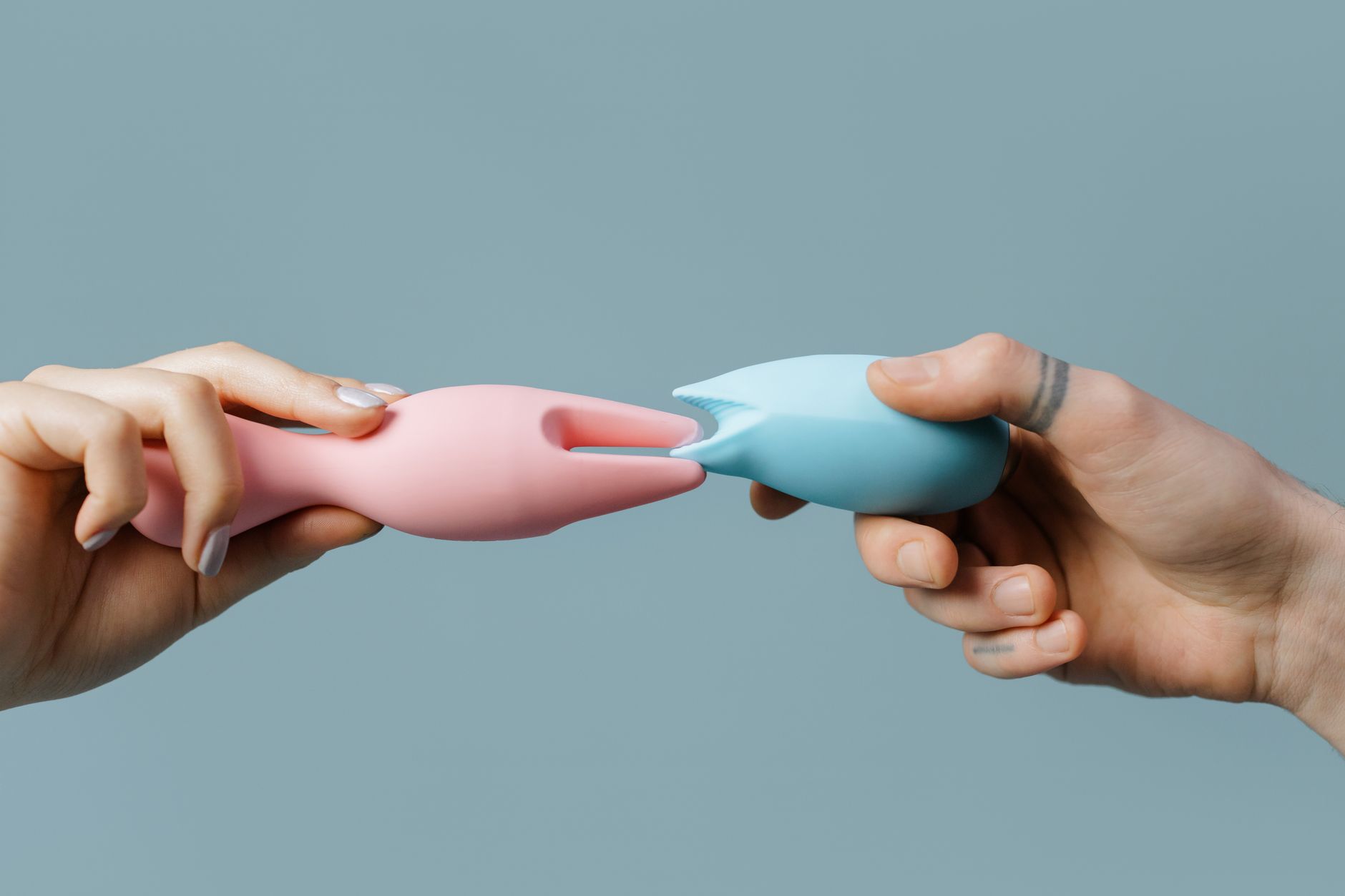
Here's the mechanism: when arousal is muted, your body needs stronger, more targeted stimulation to reach the same sensory threshold. Lemon clitoral vibrators use air-suction technology combined with subtle vibration, which creates a different kind of sensation than traditional vibration alone. The suction pulls blood into the clitoris without requiring the intensity of direct vibration. This works beautifully when medication has tamped down your natural responsiveness.
The lemon vibrator's approach is twofold. First, it delivers consistent, graduated stimulation that your nervous system can track and build on. Second, it allows you to use lower intensity settings without losing sensation, because the suction mechanism is inherently more efficient than friction-based vibration.
Many people on SSRIs find that traditional vibrators feel like nothing. Switching to a lemon clitoral vibrator changes that. You're not fighting against medication. You're using a tool designed for bodies that need different input.
The medication conversation you need to have
Before you do anything else, talk to your prescriber. Not because you're going to stop taking the medication. But because there are options. Some people find that timing matters. Taking the medication a few hours after sex, rather than before, sometimes helps. Some switch to a different SSRI that has a slightly lower sexual side effect profile (bupropion, for instance, often has fewer sexual effects). Some add a second medication specifically to counteract the sexual side effect. Others stay on what's working and optimize pleasure another way.
Your psychiatrist or GP won't be shocked by the conversation. This comes up constantly. They have actual strategies. Use them. But also know that if your current medication is keeping you stable, changing it might not be worth it. That's okay. Plenty of people with sexual side effects choose to keep the medication and adapt their pleasure instead.
Building a sustainable pleasure routine with antidepressant-related numbness
Four specific adjustments help almost everyone I work with:
Start with intention, not spontaneity. Spontaneous desire is the first thing to go when medication flattens arousal. Schedule time for yourself. It sounds clinical, but it works. Your brain needs the anticipation cue. When you know you have 30 minutes carved out, arousal has time to build before you even touch yourself.
Use a lemon vibrator on a lower setting, longer. Don't jump to the highest intensity. Start at setting one or two and spend 15 to 25 minutes exploring. This is not inefficient. This is how your body relearns pleasure. Rushing it teaches your nervous system that sensation has to happen fast, which makes medication side effects worse.
Add lubrication even if you don't feel like you need it. Medication dampens not just arousal but natural lubrication. Using lube isn't a sign that something's wrong. It's removing friction so you can focus entirely on sensation without discomfort. Water-based lube works best with silicone toys.
Layer in a second sensory input. While you're using a lemon clitoral vibrator, listen to something that activates you. Erotica. A specific playlist. Porn that lands for you. Your mind is part of your sexual response. When your body's arousal system is suppressed, engaging your brain becomes essential.
These aren't workarounds. They're legitimate pleasure practices that happen to work especially well when medication has altered your baseline.
The emotional piece that actually matters more
Sexual side effects from antidepressants carry a specific kind of grief. The medication saved you. It gave you your life back. And now it's taken this piece of your life. There's no one to blame. There's no villain. There's just a trade-off, and you have to live inside it.
That feelings-piece matters because shame and resentment kill arousal faster than any medication. If you're oscillating between "I should be grateful my medication works" and "I feel broken," your nervous system is in conflict. That conflict suppresses pleasure even more.
The antidote is permission. Not permission to stop taking your medication. Permission to invest in pleasure anyway. Permission to spend 20 minutes with a lemon vibrator, or a lemon clitoral sucker, or whatever helps you feel like yourself. Permission to tell yourself that adapting to medication side effects isn't settling. It's resilience.
If you're in a relationship, permission to tell your partner what's happening without shame. "My medication changed how my body responds. I'm figuring out what works now. Here's how you can help." That conversation, direct and specific, dissolves so much friction.
When to escalate beyond solo strategies
If you've been consistent with a lemon vibrator, communication, scheduling, and lube for three months and pleasure still feels completely flat, escalate. Talk to your psychiatrist again about adjusting timing or dose. Ask about bupropion or other lower-sexual-effect alternatives. Explore whether adding a medication like buspirone or bupropion to your current antidepressant might help counteract the sexual side effect.
Sex therapy is also worth considering, especially if medication side effects landed on top of existing relationship tension or trauma. A therapist who specializes in sexual health can help you rebuild arousal in a way that acknowledges both your nervous system and the medication you're taking.
But most people don't need all that. They need a tool designed for compromised arousal, consistency, and permission to prioritize pleasure alongside mental health. That's where a lemon vibrator or similar clitoral vibrator lands.
FAQ
Can I use a lemon vibrator while taking SSRIs?
Completely yes. There's no interaction between any oral antidepressant and a silicone vibrator. Using a lemon clitoral vibrator while medicated is actually one of the most straightforward ways to reclaim pleasure. The tool is designed for lower baseline arousal, which is exactly what antidepressants create.
Will a lemon vibrator work if my arousal is completely flat?
Maybe not immediately. Complete flatness usually means your nervous system needs permission and anticipation first. Start by scheduling solo time, spending the first few sessions just exploring without the vibrator, using lube, and letting arousal build on its own timeline. Once you've had even small sparks of sensation, a lemon sucker or lemon vibrator can amplify them. Patience matters more than intensity.
Should I tell my doctor I'm using a vibrator?
Only if it feels right to you. Your doctor doesn't need a detailed inventory of your pleasure tools. But if you're having ongoing sexual side effects and considering changing medication, it's worth mentioning that you've tried other strategies first. "I've been working with a vibrator and extended warm-up time, but sensation is still muted" gives your prescriber useful context.
How long until a lemon vibrator helps medication-numbed pleasure return?
Two to four weeks of consistent use. Pleasure isn't a linear return. You might have one session that feels almost normal, then several that feel flat again. That's not failure. That's your nervous system rewiring. Consistency matters more than perfect results at each session.
Is it normal to feel guilt about using a toy while taking medication for mental health?
Completely normal and completely unfounded. Your mental health medication is taking care of your brain. Your vibrator is taking care of your pleasure. These aren't competing needs. They're complementary. Using a lemon clitoral vibrator or any sexual wellness tool is not indulgent when medication has altered your baseline. It's maintenance.
What if my partner thinks the vibrator means I'm not attracted to them anymore?
This is a conversation, not a vibrator problem. The truth is usually that antidepressants changed your arousal pattern, not your attraction. Sit down and say exactly that. Offer to let them explore with you. Many partners feel relieved to have a concrete strategy instead of silently wondering what went wrong. If the relationship was already fragile, sexual side effects can expose that. But if the relationship is solid, a lemon vibrator becomes a shared solution.
What actually changes when you stop waiting
The most important shift happens not when the vibrator arrives, but when you decide your pleasure matters enough to protect it. Not as a luxury. As part of staying well. Your antidepressant gave you your life back. Your clitoral vibrator gives you this part of your life back. Neither cancels the other out. Both are true.