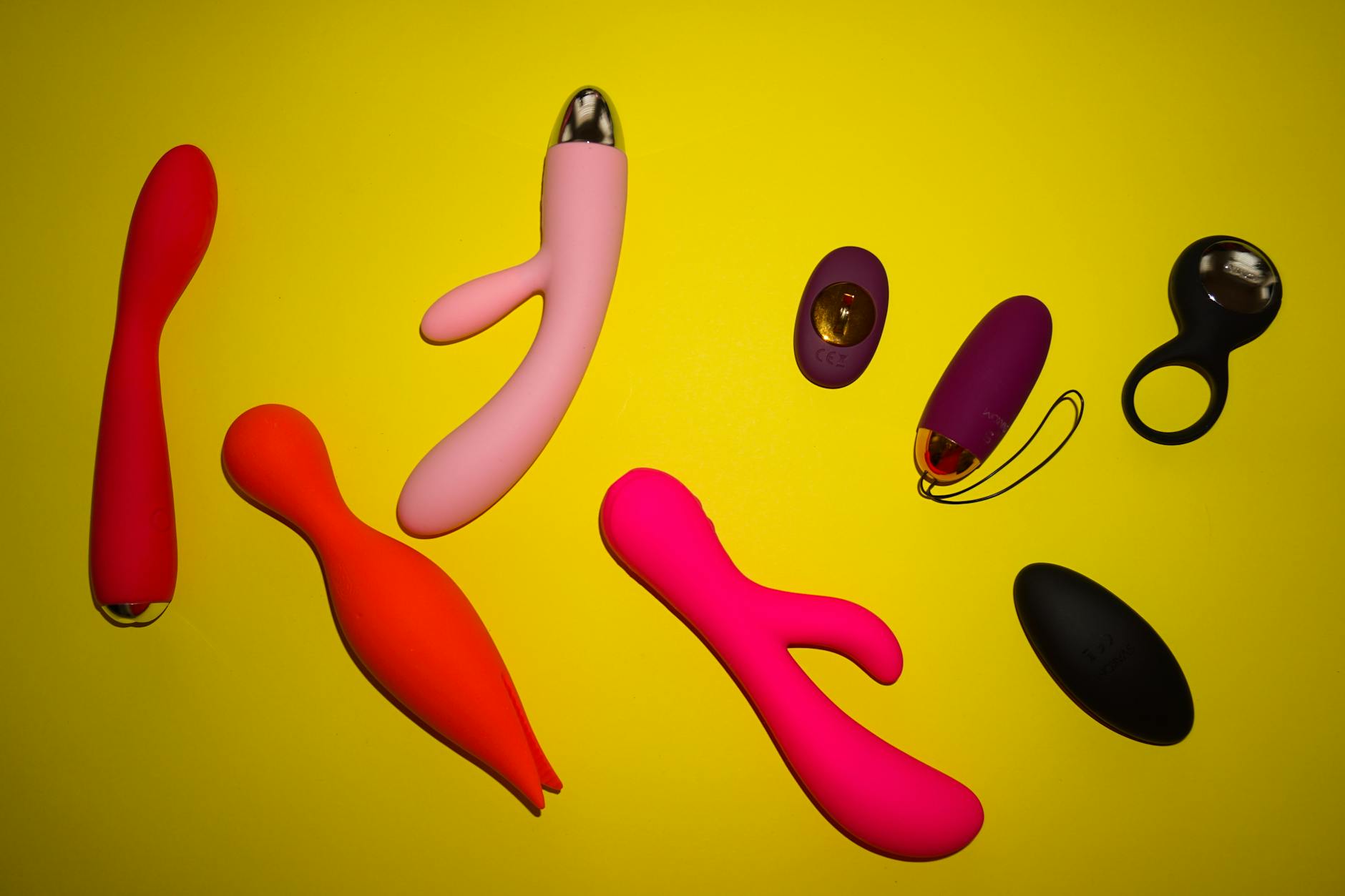
How Lemon Vibrators Work With Natural Lubrication Changes
Your body's moisture shifts constantly. Suction-based lemon vibrators adapt without the friction pain of traditional toys. Here's why the engineering matters.
Your body's natural lubrication isn't a fixed quantity. It shifts with your cycle, your stress, medication, age, hydration, arousal depth, and honestly, what you had for lunch. This isn't a flaw. But it does mean that toys designed for consistent friction become a gamble. Some days they feel perfect. Other days, they feel raw.
Lemon vibrators, which use air-pulse suction instead of vibration, sidestep this problem entirely. The technology doesn't rely on gliding friction. It creates a seal and pulses air. That means wetness variation matters far less.
Traditional vibrators work by making contact and moving rapidly across tissue. When you have plenty of natural lubrication, that motion slides smoothly. When wetness decreases, friction increases. The same toy that felt buttery two weeks ago now feels scratchy, numbing, or vaguely painful.
This isn't about the toy being broken or your body being wrong. It's basic physics. Friction is proportional to pressure divided by surface moisture. Less moisture equals more friction. More friction equals either pain or sensation numbness, depending on tissue sensitivity.
Worse, you can't always fix it by adding lubricant mid-session. Some people find switching products disruptive, or they worry about the lube drying out as they go.
Lemon vibrators operate on an entirely different principle. Instead of vibrating against tissue, they create a gentle seal around the clitoris and pulse air rhythmically. The stimulation happens through pressure waves, not friction.
This matters enormously when lubrication fluctuates. Because the toy isn't sliding across skin, changes in wetness don't alter the sensation quality. Suction-based stimulation works whether you have abundant natural lubrication or barely any. The sensation adapts rather than worsens.
I've had clients report that lemon clitoral vibrators feel more consistent across their cycle than traditional toys. On low-lubrication days, when a regular vibrator would feel uncomfortable, the lemon vibrator still delivers strong, clear sensation. There's no friction compensation needed.
Natural lubrication fluctuates for good reasons. Estrogen affects tissue hydration. Arousal chemicals literally increase fluid production. Stress hormones suppress it. Antihistamines dry you out. Even dehydration changes the game.
Some people experience what feels like "drying up" in their thirties or forties. Others notice it around their period. Some have seasons where they're naturally less wet, and that's not a sign of low desire. It's biology.
Here's what I tell my clients: if your body produces less natural lubrication at certain times, that's not a defect. But it does mean you need tools that work with that reality, not against it. Lemon vibrators, and other air-pulse toys, are designed for exactly this scenario.
Don't get me wrong. Adding lubricant is never a bad move. Even with suction-based toys, a little water-based lube can increase sensation and comfort, especially if you're experimenting with different patterns.
But here's the difference: with a lemon vibrator, you're not relying on lube to compensate for friction. You're using it to enhance. That's a completely different experience. You're working with your body, not trying to override it.
If you add lube to a traditional vibrator on a low-lubrication day, you're temporarily masking the friction problem. When the lube wears off, the friction returns. With a suction toy, the friction never existed in the first place. The lube is optional, not essential.
One of the biggest reasons people abandon toys is sensation fatigue or discomfort that sneaks up unpredictably. You use something for weeks and love it, then suddenly it feels wrong. You wonder if something's broken, but really your body's moisture changed, the toy's friction is now too high, and you're experiencing minor irritation.
With lemon vibrators, that unpredictability shrinks dramatically. Because suction doesn't depend on lubrication levels, your sensation remains stable across different body states. You're more likely to keep using it. You're less likely to give up.
I've also noticed that clients who switch to air-pulse toys report using them more frequently without discomfort. Because there's no friction fatigue, they can explore different intensities and patterns without worrying about irritation creeping in after repeated sessions.
Let's talk about what this feels like. Suction creates a rhythmic build. It's pulsing, concentrated, and often surprisingly intense even at lower settings. The stimulation is more localized than traditional vibration, which tends to spread sensation across a wider area.
Many people describe lemon vibrator sensation as "deeper" or "more centered." That's because suction penetrates differently than surface vibration. You're not feeling the buzz across your tissues. You're feeling focused pressure waves.
This focused sensation is also why lemon clitoral vibrators often work better for people with sensitivity shifts. If your clitoris changes responsiveness (which it does with hormones, medication, age, or just random variation), suction-based stimulation stays adaptable. You can adjust intensity without friction pain.
Here are four things I recommend to anyone navigating lubrication changes:
Start with a clean toy and clean hands. Even small amounts of soap residue or skin oils can change sensation. A quick rinse before and after matters.
Use a tiny drop of water-based lubricant on the toy, not on your skin. This keeps the seal intact without pooling excess lube that dries out.
Begin at a lower intensity. Lemon vibrators can feel stronger than they look. Start at pattern one or two and work up. Your tissues will adjust faster and sensation will feel clearer.
Build arousal first. Even five extra minutes of foreplay (partnered or solo) increases natural lubrication. More arousal means better sensation regardless of the day of your cycle.
Some medications, especially antihistamines and antidepressants, reduce natural lubrication as a side effect. Some hormonal treatments do the same. If you're managing a health condition that affects moisture, lemon vibrators become particularly valuable because they're designed specifically not to rely on friction.
If moisture loss is severe or painful, that's worth discussing with a healthcare provider. Topical estrogen or other treatments can help. But in the meantime, choosing toys engineered for variable lubrication makes a real difference in usability and comfort.
The biggest shift I've seen in my clients is when they stop waiting for "the perfect conditions" to enjoy pleasure. Stop thinking "I can only use this toy on high-lubrication days." Start choosing toys and techniques that work across your actual body's range.
Lemon vibrators are part of that shift. They're engineered for biological reality, not an idealized version of how your body should work. That's what makes them so effective across different people and different seasons.
Your pleasure deserves a tool that adapts to you, not the other way around. And honestly, that's worth the investment.
Yes. Because suction-based stimulation doesn't rely on friction, it works whether you're naturally very wet or quite dry. Lemon vibrators create sensation through air pulses, not movement across tissue. That said, adding a tiny bit of water-based lubricant can increase comfort and sensation, especially if this is your first time using air-pulse technology.
Absolutely. In fact, lemon vibrators are often better than traditional vibrators if medication affects your natural moisture. Because they don't rely on friction compensation, you avoid the irritation that friction toys can cause. Many clients on antihistamines or certain antidepressants find suction-based toys are the only option that feels comfortable.
Start with a tiny amount. Literally a pea-sized drop on the toy itself. Lemon vibrators need enough moisture to maintain a seal, but too much lube can break the seal and reduce sensation. Less is more with suction toys. You can always add more, but you can't remove it mid-session.
They shouldn't feel drastically different, but subtle shifts happen because your arousal capacity and clitoral sensitivity change with hormones. These changes are normal and actually manageable with suction-based toys because the engineering isn't fighting your body's moisture changes. You might notice the toy feels slightly more or less intense depending on the day, but you won't experience the friction pain you might get with traditional vibrators.
Not due to lubrication depletion, which is the main friction-related issue with traditional toys. You won't experience progressive friction irritation across multiple sessions. That said, like any toy, you should listen to your body. If sensitivity shifts, reduce intensity or take a day off. But the common complaint of "this used to feel good, now it feels raw" becomes far less likely with suction-based design.
Yes. In fact, many beginners prefer lemon vibrators precisely because they don't require the same lubrication consistency that friction toys do. Less variables to manage means you can focus on exploring sensation rather than troubleshooting comfort. If you're completely new to toys, check out our guide on getting started, and remember that this is about learning what your body enjoys, not about performance.
Lubrication shifts. Your body changes. That's not a flaw. It's just biological variation. Choosing toys engineered for that variation, rather than tools that fight it, is how you build a pleasure practice that actually lasts. Lemon vibrators work across your body's natural range because they're built on a different principle entirely. That's not marketing. That's engineering that serves your actual body.