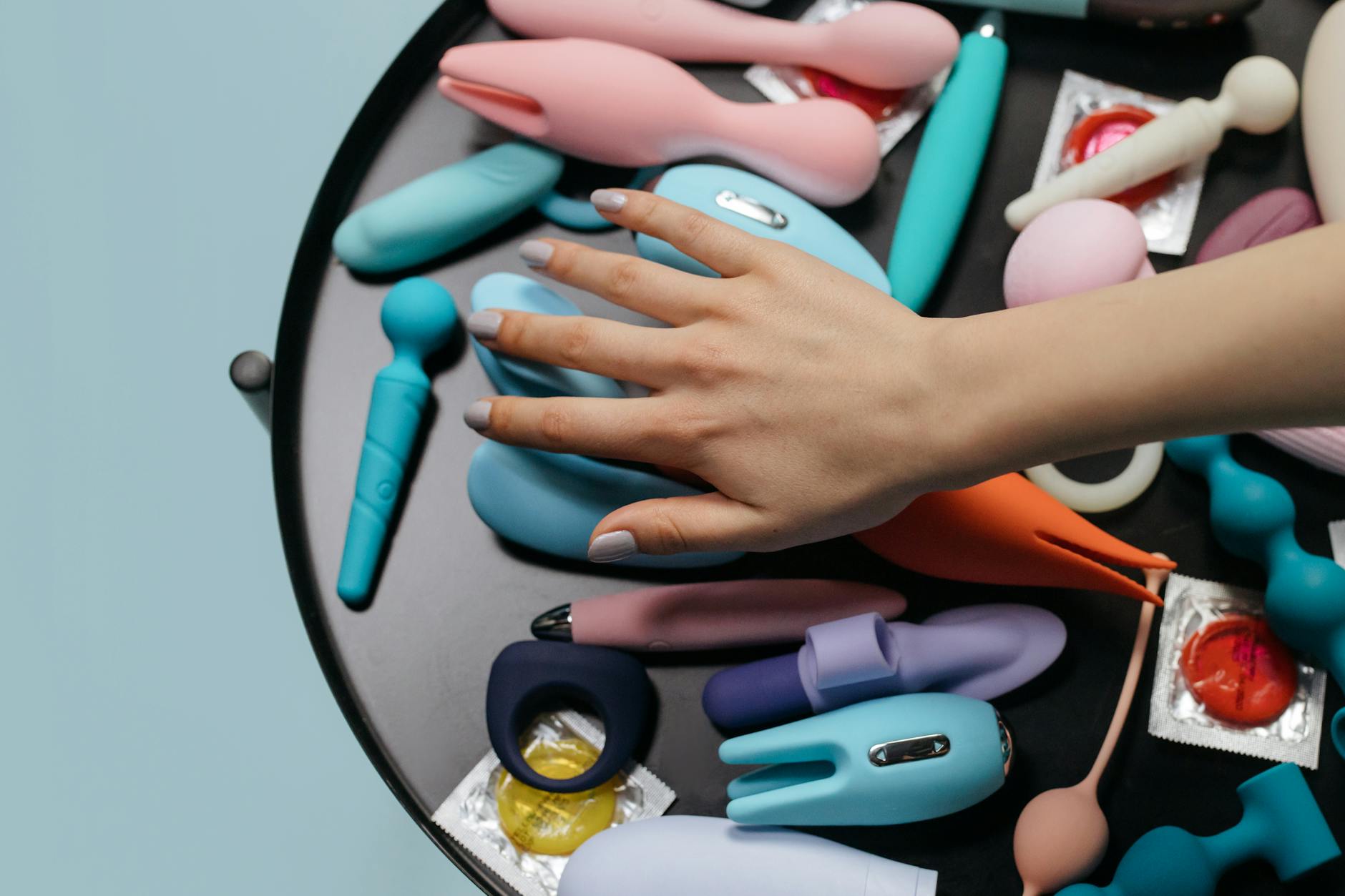
Sexual trauma rewires how your body responds to sensation. Not just during sex, but everywhere. A unexpected touch, a certain pressure, even a specific texture can trigger a cascade of panic that has nothing to do with what's actually happening right now. Your nervous system learned that your body wasn't safe, and it's now protecting you by treating all physical stimulation as a potential threat.
Recovering means slowly, deliberately teaching your body that sensation can be something you choose, control, and stop whenever you want. That's where lemon clitoral vibrators become genuinely useful. Not as a magic fix, but as a tool you command completely.
Most vibrators work through oscillation. They buzz fast against your body, and that intensity is fixed. You can't control how they stimulate. With an air-suction toy like the Lem, the mechanism is fundamentally different. It creates a gentle, rhythmic suction pattern that builds sensation gradually. You control the intensity with your own positioning and with specific pattern buttons.
That control is everything when you're rebuilding trust. You're not surrendering to a vibration. You're directing the experience moment by moment. If something feels too intense, you adjust. If you need to pause, you pause. The tool responds to you instead of the other way around.
For people recovering from trauma, this shift in agency often feels like the difference between being acted upon and being in charge.
Trauma often leaves people feeling numb in their genitals. Sometimes it's protective numbing, sometimes it's dissociation, sometimes it's just that your nervous system has been in fight-or-flight for so long that pleasure registers as noise. The urge to "wake up" that area or feel something, anything, is real.
Here's where lemon vibrators actually excel. Air-suction stimulation doesn't rely on deep, aggressive pressure. It works with surface nerve endings and gradually builds arousal without demanding an intense physical response. Many people find that after months of numbness, the first sensation they reconnect with isn't a crash of pleasure. It's a gentle, sustained awareness that something is happening, and that they're safe.
This is also why patience matters. If you pick up a toy and expect fireworks on day one, you'll probably feel disappointed and unsafe. If you're using the Lem or a similar tool as part of a longer healing process, you're often giving your body permission to wake up on its own timeline.
There's a difference between using a toy and using a toy mindfully during trauma recovery. Here are the anchors that help:
Set a physical boundary first. Decide in advance that you'll only use this toy in a specific place, at a specific time, where you know you're completely alone and won't be interrupted. Your nervous system needs to know there are guardrails.
Start with your clothes on. Yes, really. Let the Lem work through fabric first. This lets you experience the sensation without the vulnerability of being naked. Many people spend weeks at this stage, and that's not failure. That's healing.
Use pattern one exclusively until it feels boring. The lowest setting on a lemon clitoral vibrator is purposefully subtle. Don't upgrade to pattern two because you think you "should." Upgrade because you're genuinely curious.
Pair it with grounding. Have something to hold in your other hand. A smooth stone, a blanket, a pillow. Your nervous system needs to know you're resourced, not trapped.
If you feel panic, numbness suddenly deepens, or your body goes into a freeze response, stop. This isn't laziness or failure. Your nervous system is telling you something. Put the toy away. Breathe. Hold yourself.
Meaningful healing with a partner or therapist can help you understand what triggered the freeze. Sometimes it's the sensation itself. Sometimes it's vulnerability. Sometimes it's an old message your body learned long ago.
The goal isn't to "push through" discomfort. The goal is to expand your window of tolerance. Some days that window is larger. Some days it's smaller. Both are okay.
If you're in a relationship, your partner might feel left out if you're using solo tools as part of recovery. Or they might feel relieved that intimacy doesn't have to involve their body while yours is healing. Both responses are normal.
The conversation that matters is this: "I'm healing, and this tool helps me feel safe. It's not about you. It's about me reclaiming my body on my terms." A partner who loves you will understand. If they push back or make your healing about them, that's information you need to sit with.
A vibrator is not therapy. It's a tool that works best alongside real support. A trauma-informed therapist, especially one trained in somatic therapy or EMDR, can help you understand what your body is trying to tell you and how to befriend sensation again.
Many people find that combining talk therapy with gentle body-based practices creates a faster path to healing. The vibrator becomes a concrete ritual of self-care, proof to your nervous system that pleasure can exist on your terms.
Here's what I tell my clients: healing doesn't mean returning to how pleasure felt before trauma. It means discovering that pleasure is still available to you, and sometimes in surprising ways. Many survivors find that their pleasure becomes more intentional, more grounded, less performative. They get to decide what feels good instead of accepting someone else's definition.
A lemon clitoral vibrator won't erase what happened. But it can be a steady, controllable companion while you rebuild the relationship between your mind, your nervous system, and sensation. That's not nothing. That's actually the whole point.
Healing your sexuality means reclaiming it as yours. Your pleasure matters. Your pace matters. Your boundaries matter.
Yes, but only if you're ready and ideally with professional support. The key word is readiness. If the thought of any sexual stimulation triggers panic, wait. Work with a trauma-informed therapist first. Once you're in a place where touch is becoming less scary, a tool you fully control can be genuinely healing. Start slowly, keep grounding techniques nearby, and give yourself permission to stop anytime.
It varies wildly depending on how long you've been numb and what caused it. Some people feel reconnection within days. Others take months. There's no "normal" here. What matters is that you're checking in with yourself regularly and noticing any shifts, even tiny ones. Sometimes the first sign of healing is not intense sensation but just a whisper of awareness that something is happening down there.
During active trauma recovery, solo use is usually safer. It removes any pressure to perform or manage someone else's feelings about your body. Once you're further along and want to rebuild intimacy with a partner, you can experiment with using it together. But there's no timeline for that. Solo exploration gets to come first.
Stop immediately. Put the toy away. Ground yourself by holding something cold, splashing water on your face, or pressing your feet into the floor. Your body is giving you information, and that information is valuable. Write down what happened so you can discuss it with your therapist. Freezing often means something specific triggered your nervous system. Understanding what helps you heal faster.
Yes, often. Sexual dysfunction after trauma usually comes from your nervous system staying in protection mode. The predictability and controllability of a tool like the Lem can help your nervous system feel safer with sensation. As that happens, arousal often returns naturally. But again, this works best alongside therapy, not instead of it.
You're ready when the thought of it doesn't trigger immediate panic, when you have some basic support (therapist, trusted friend, partner), and when you can set aside time and space where you feel completely safe. You don't need to feel healed. You just need to feel curious and safe enough to try.
The Myth of the Sexual Vampire by Darcy Johnson explores trauma bonding and reclaiming sexuality after abuse. The Body Keeps the Score by Bessel van der Kolk explains how trauma is stored in the nervous system and why body-based practices matter. Resources like RAINN (1-800-656-HOPE) and the International Society for the Study of Trauma and Dissociation offer referrals to trauma-informed therapists who can guide you through this process.
Your healing matters. Your pace matters. Your pleasure, when you're ready for it, absolutely matters. If you're navigating this journey and need support or have questions about how to approach recovery with tools like the Lem, reach out. We're here to help.