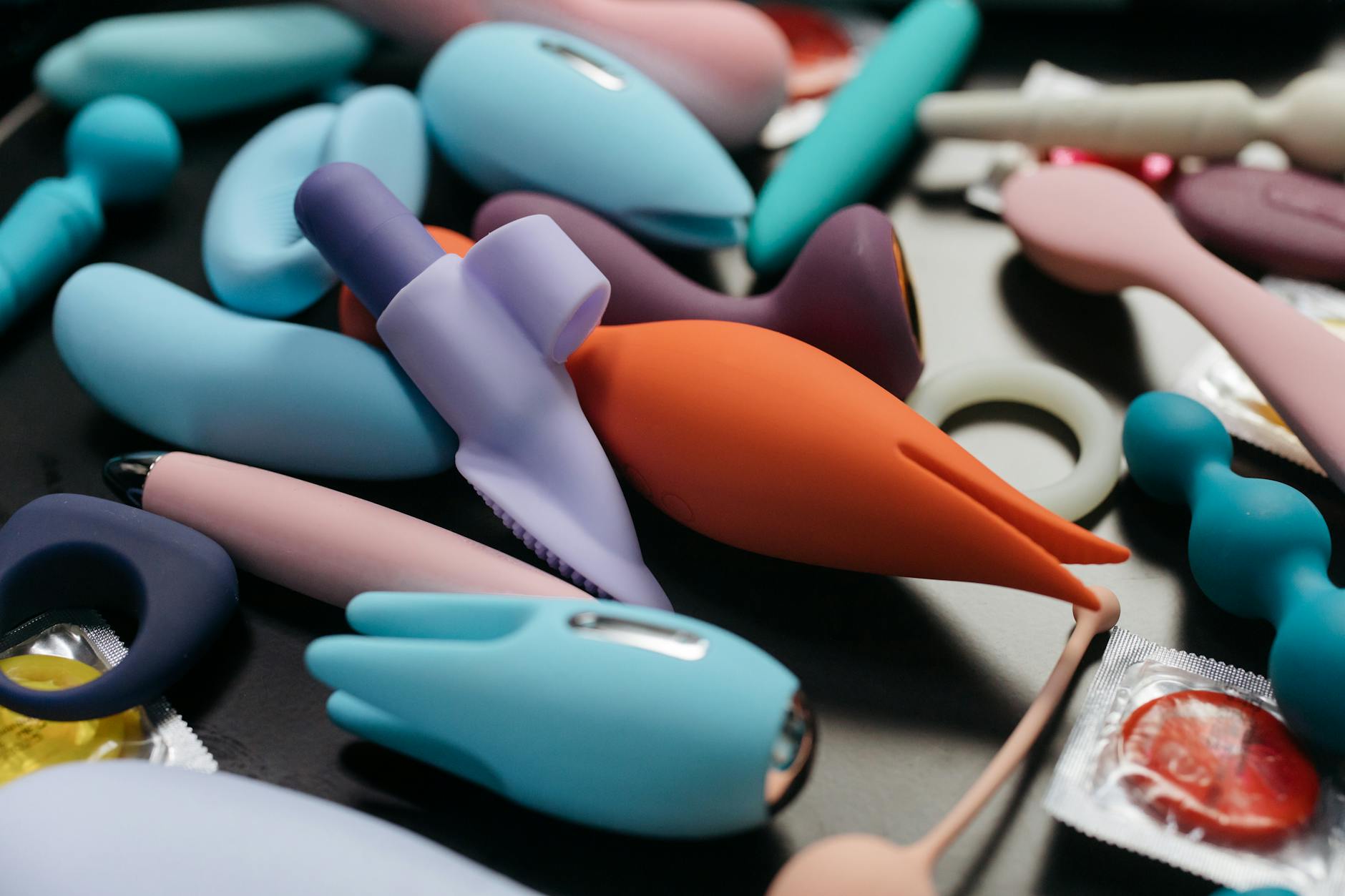
How Lemon Vibrators Work When You Have Medication-Related Vaginal Dryness
Here's the thing nobody mentions when they hand you a prescription for an SSRI or allergy medication: it's going to affect your sex life. Not in a vague way. In a very specific, very frustrating tissue-level way.
Medication-induced vaginal dryness is wildly common, totally treatable, and almost never discussed by the person prescribing the pills. About 30-40% of people taking antidepressants report some form of sexual side effect, and dryness is at the top of that list. The same goes for antihistamines, certain blood pressure meds, and hormonal treatments. Your body isn't broken. Your medication is just doing what it was designed to do: dry out mucous membranes.
The good news? A lemon clitoral vibrator works differently with medication-induced dryness than it does with other forms of dryness. And understanding that difference changes everything about how you use it.
Why medications cause dryness in the first place
Most medications that dry you out do so by affecting mucus production systemically. SSRIs lower serotonin in your brain, but they also affect the nerve signals that trigger vaginal lubrication. Antihistamines block histamine receptors everywhere, which means less fluid secretion across your entire body. Hormonal treatments suppress estrogen or progesterone, which directly thins vaginal tissue.
The tissue response is real. Thinner tissue = less elasticity, less blood flow to the area, and a higher threshold for arousal. Your body isn't producing the natural lubrication it used to, so friction becomes a problem fast. This is different from age-related dryness or hormonal dryness from menopause, because medication-induced dryness is usually reversible. When you change medications, the dryness often resolves within weeks.
But while you're on the medication that works for your mental health or chronic condition, you need a strategy that actually works.
How air-suction vibrators handle medication-induced dryness differently
A lemon vibrator uses air-suction technology instead of direct vibration. That matters enormously when you're dealing with thin, dry tissue.
Direct vibration creates friction. On thinner tissue, friction is not your friend. It can feel sharp, leave irritation, and honestly just hurt. But air-suction works by creating a gentle seal and then pulsing pressure in and out. It stimulates the nerves in and around the clitoris without requiring the same kind of mechanical sliding motion. Think of it as a completely different interface with the tissue.
Because the lem vibrator doesn't rely on lubrication to feel good the way a sliding vibrator does, medication-related dryness doesn't tank the experience the way it might with other toys. You still need some lubrication, but you're not fighting friction on every stroke. The sensation comes from pressure and rhythmic pulsing, not from surface glide.
This is why clients who've switched from traditional vibrators to lemon suction vibrators often report feeling sensation again after months of frustration. The tech adapts to what their body can actually provide right now.
The lubrication question: what actually helps
You're going to need lubricant. Full stop. Medication-induced dryness is real enough that relying on natural lubrication alone will just create frustration and potential micro-tears. But here's what matters: the type of lube changes depending on whether you're using an air-suction toy or a sliding one.
For a lemon clitoral vibrator, water-based lubricants are your baseline. Silicone toys need water-based lubes because silicone-based lubes can break down silicone. A thin layer of water-based lube on the contact point is usually enough. You're not trying to create a slick surface for gliding; you're trying to create a comfortable seal and reduce friction around the edges of the suction cup.
If water-based lubes dry too quickly for you (they do for some people, especially on medication), hybrid lubes blend water and silicone. They stay slick longer and often feel richer. Again, check that they're toy-compatible. Coconut oil feels great but it harbors bacteria; skip it.
The anti-inflammatory angle matters here too. If your tissue is inflamed from dryness, certain lubes will sting. Look for formulas with glycerin that's been removed (glycerin can feed yeast) or hyaluronic acid (which actually helps rehydrate tissue). Some people find relief in lubes labeled as "sensitive" formulas, which tend to have fewer additives.
One more thing: reapply as needed. Medication-induced dryness means less natural lubrication, which means your lube evaporates faster. Stopping mid-session to add more might feel awkward, but it's actually the smarter move than pushing through dryness.
Timing and arousal work differently now
Medication-induced dryness often comes with a second layer: arousal itself takes longer. Some medications numb sensation slightly. Some just slow the autonomic response that triggers lubrication and blood flow. The result is that your body might not be signaling "ready" the way it used to.
This is worth separating from desire. You might want sex just fine. Your body just needs more runway. Budget 20-30 minutes instead of 10. Spend longer on foreplay or external stimulation before moving to anything internal. Use a lemon vibrator on lower settings first to gradually wake up sensation.
Also: arousal isn't binary anymore. You might never reach the level of natural lubrication you used to. That's not a failure. That's your new baseline while you're on this medication. Plan around it instead of treating it like a malfunction.
When your partner is involved
If you're partnered, this needs to be a conversation, not a surprise. "My medication is affecting sensation, so we're going to need more time and lube" is not sexy, but it's honest and it prevents a lot of resentment. Partners sometimes feel rejected when penetration becomes difficult. Clarity prevents that.
Lemon clitoral vibrators are interesting here because they create a built-in pause point. You can use the toy solo first to get sensation going, then incorporate your partner. Or your partner can use it on you while you're together. The suction sensation is different enough from penetration that it doesn't feel like a substitute; it feels like a complementary experience.
If your partner was relying on your natural lubrication as a sign of arousal, that signal is gone. New signs matter now: eye contact, sounds, movement, asking directly. Lots of couples actually find their sex life deepens when they have to communicate more explicitly about what's happening.
How long does medication-induced dryness actually last
This depends entirely on your medication. If you're on an SSRI for depression, it might take months or even years to resolve, or it might never fully resolve while you're on that drug. Some SSRIs are worse than others; if the dryness is severe, talking to your prescriber about switching to a less drying option is absolutely valid.
If you're on antihistamines seasonally or intermittently, the dryness resolves when you stop taking the medication. Same with many hormonal treatments. If you're on a medication short-term, you're dealing with a temporary adjustment period, not a permanent shift.
The point: don't assume it's permanent and don't assume it's unfixable. Dryness from medication is one of the more treatable sexual side effects. Switching medications, adding a topical estrogen cream, or using the right tools (like a lemon vibrator) can all change the experience dramatically.
The sensation recovery angle
One thing I notice with people on medications that cause dryness is that they often become disconnected from sensation generally. When touch doesn't feel as intense or responsive, the brain kind of goes quiet. Using a lemon vibrator intentionally, with good lubrication and no rush, is a way of retraining your nervous system to notice what's happening.
Start at the lowest setting. Notice how the suction feels against different areas. You're not chasing orgasm right now. You're just reconnecting with what pleasure feels like in your body when it's not being flooded with natural lubrication cues. This is honestly one of the most underrated benefits of air-suction toys. They let sensation live in a different register.
Many people report that after a few weeks of using a lemon clitoral vibrator this way, sensation overall starts improving. Not because the toy is magic, but because you're building awareness and blood flow to the area, and you're decoupling pleasure from a specific formula of "arousal equals instant wetness."
FAQ: Medication dryness and lemon vibrators
Q: Will a lemon vibrator feel numb or less intense if I'm on an SSRI?
A: Not necessarily. SSRIs can reduce sensation overall, but air-suction technology tends to work well for people with reduced sensation because it's a different kind of stimulation. You might not feel it the same way you felt traditional vibration, but that's not always worse. Some people actually find air-suction more satisfying when sensation is dulled.
Q: Can I use a lemon vibrator if I also have thrush from dryness-related irritation?
A: Not during an active infection. The tissue is inflamed and needs to heal. Once you've treated the thrush and the inflammation is gone, you can restart. Use extra lubrication when you do and go slow.
Q: Does medication-induced dryness mean I shouldn't use toys at all?
A: No. Dryness is actually one of the best reasons to use a toy specifically designed to work with low lubrication. The alternative is pushing through discomfort or avoiding sex entirely, which is way less helpful.
Q: Will switching to a different lube formula actually make a difference?
A: Yes. If water-based lube is drying too fast, a hybrid formula often feels noticeably different. If regular lube stings, a sensitive formula can be a complete game-changer. Experiment without shame; this is logistics, not failure.
Q: How often should I be using a lemon vibrator while dealing with medication dryness?
A: As often as feels good. Regular use actually helps. Blood flow to the area improves sensation recovery, and you're reinforcing the nervous system's connection to pleasure. A few times a week is plenty. Solo use is fine and maybe even ideal while you're retraining sensation.
Q: Is there anything that speeds up sensation recovery?
A: Consistency and time. Using toys regularly, staying hydrated, getting sleep, and managing stress all help. Some people swear that pelvic floor physical therapy speeds things up, especially if pelvic floor tension is also part of the picture. Topical treatments like vaginal moisturizers (not lubes, but actual moisturizers) can help between sessions too.
The reality check
Medication-induced vaginal dryness is not a reflection of your sexuality or your capacity for pleasure. It's a side effect. A real one, a frustrating one, and a totally addressable one. A lemon clitoral vibrator works with your body's current reality instead of fighting it. That's not settling. That's smart adaptation.
Your pleasure matters, even when your medication is making things complicated. If the dryness is severe or the sexual side effects are affecting your quality of life, that conversation with your prescriber is valid and worth having. Sometimes switching medications is possible. Sometimes adding a topical treatment helps. And sometimes you just need better tools and a clearer sense of what your body needs right now.
If you're navigating this and want to talk through what might work best for your situation, we're here. Reach out at /contact and let's figure it out together.