When pleasure stops feeling good
Let's be real. Sexual aversion is what happens when your body decides sex is a threat, not a treat. It's not about low libido. It's not about your partner or your relationship, necessarily. It's your nervous system throwing a boundary around something that used to feel safe, and now doesn't.
This shows up as physical revulsion, mental resistance, or that numb feeling where you're going through the motions but nothing registers. You might have wanted sex yesterday, and today the thought of it makes your skin crawl. Sexual aversion is your body's honest feedback, and ignoring it makes it louder.
The good news: it's reversible. But only if you stop treating it like something to push through and start treating it like something to listen to.
Why sexual aversion happens
Sexual aversion develops when the nervous system links sex to threat. That threat could be relational (unresolved conflict, broken trust, mismatched desires), physical (pain, medication side effects, hormonal changes), or personal (past trauma, performance pressure, shame).
Your body doesn't distinguish between "this is logically safe" and "this feels unsafe." It only knows signal and response. When sex gets paired with anxiety, stress, or physical discomfort repeatedly, the nervous system learns: sex equals danger. Desire shuts down. Touch feels invasive.
Here's the part most people miss: this is not a character flaw. It's a protective mechanism. And it's telling you something needs to change.
The reset: starting from scratch with sensation
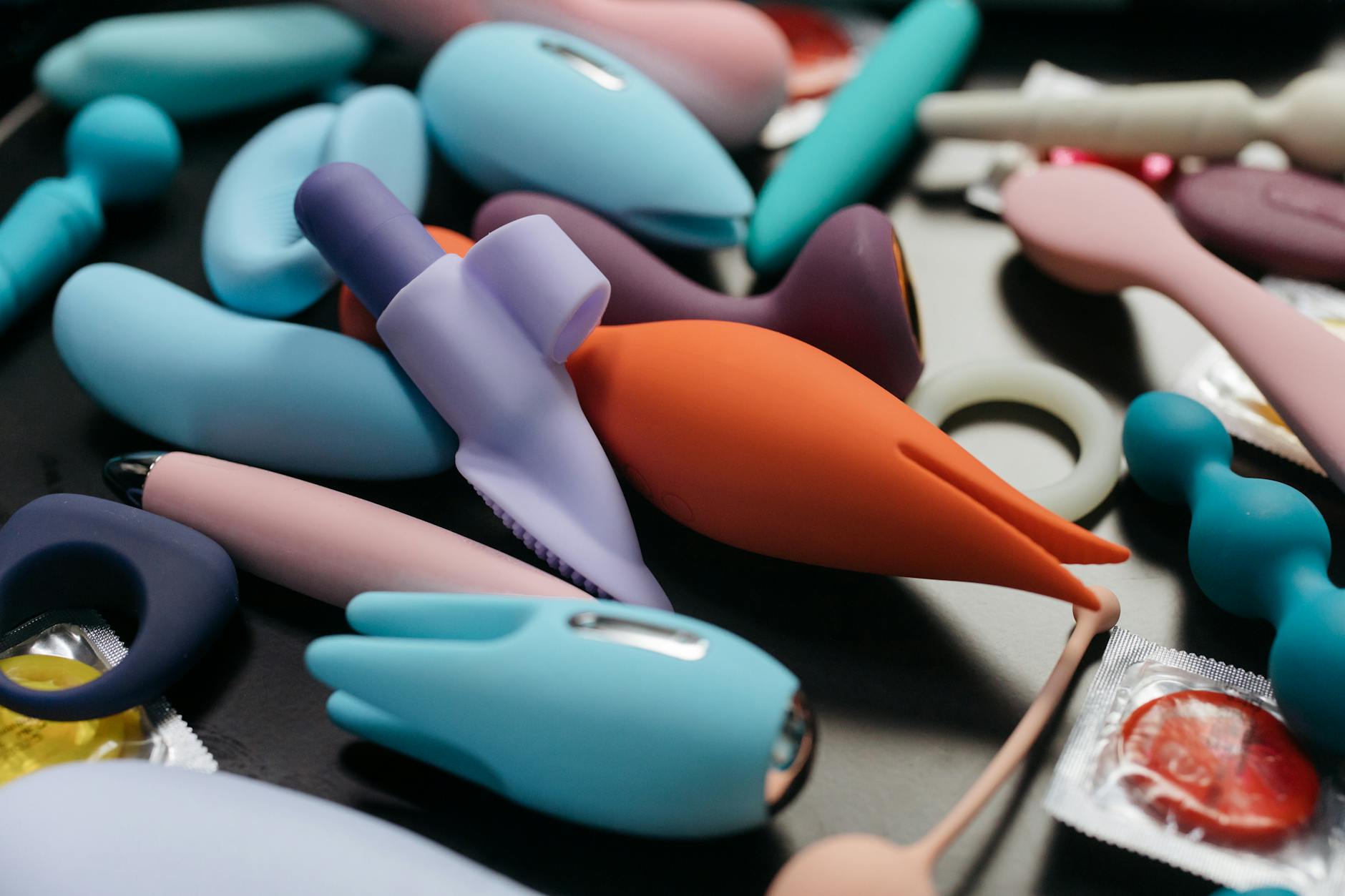
Rebuildding desire after aversion requires you to separate sensation from obligation. This is where lemon vibrators actually shine.
Unlike partnered touch, which carries all the emotional and relational weight, a tool like a lemon clitoral vibrator lets you explore sensation in isolation. No performance expectations. No watching for a partner's reaction. No narrative about what this "should" mean.
When you're rebuilding, you're not trying to have sex. You're not trying to orgasm. You're trying to prove to your nervous system that pleasure can happen without threat.
Start with the lowest setting of a lem vibrator. Spend 10-15 minutes on your own, with no goal. Notice what patterns feel good. Which sensation actually makes you curious instead of braced? Where do you feel it in your body? Does intensity change how it feels? This is research, not performance.
Why lemon vibrators work differently
Lemon sucker technology uses gentle air-pulse suction instead of vibration. This matters for nervous systems that are in protection mode because suction feels less invasive than direct vibration. It's also more consistent, which matters when your body is relearning what safety feels like during sex.
The Lem vibrator design also means you control the tempo, intensity, and exact sensation without negotiation. In early stages of aversion recovery, that autonomy is the whole point. Many therapists call this "self-determined touch," and research on trauma recovery shows it's one of the fastest ways to signal to your nervous system that pleasure can be yours again.
Timing and patience
If you're rebuilding after aversion, the worst thing you can do is rush back into partnered sex. You'll just retraumatize yourself.
Instead, build a solo exploration practice first. Two to three times a week, alone, with a lemon clitoral vibrator. No pressure to reach orgasm (though you might). No timeline. Some people need two weeks of this. Some need two months. Your body will tell you when it's ready for the next step.
Once solo sensation feels good again and orgasm is returning reliably, you can start talking to your partner about what rebuilding looks like. That conversation is separate from the physical practice, and it matters enormously.
Bringing your partner back in (carefully)
When you're ready to include a partner, the shift should be slow and negotiated. Some couples find that having a lemon vibrator present during partnered time actually helps. It keeps the focus on your pleasure, not on penetration or performance.
You might say: "I need us to spend 20 minutes with me using this while you watch and touch my arm. No sex, no end goal, just me rebuilding what pleasure feels like." That's a conversation. That's respect. That's the opposite of pressure.
Many people find that once they've reestablished solo pleasure, their partner's involvement feels additive instead of obligatory. The aversion lifts because the nervous system is no longer in survival mode around sex.
The cognitive piece
Your body's sensations are only half the story. Your thoughts about sex matter just as much.
If you're carrying shame about needing a tool, or guilt about taking time away from your partner, or beliefs that "real" sex shouldn't require devices, those thoughts will sabotage your nervous system's ability to relax into pleasure. You'll use the lem vibrator while your brain runs a guilt soundtrack, and your body won't really reset.
So before you start: name the stories you're telling yourself. "I'm broken." "My partner will feel rejected." "I should be over this by now." Write them down. Then ask yourself if they're true, or if they're just the narrative that helped you survive aversion. Because surviving and healing are different goals.
When to get professional support
If sexual aversion is connected to past trauma, especially sexual trauma, don't try to self-help your way through it alone. A trauma-informed sex therapist can help you process what's underneath the aversion. They can also teach you nervous system tools like somatic experiencing or tapping that actually rewire the threat response.
If aversion developed because of relational issues, couples counseling matters more than any tool. A lemon vibrator can help you reclaim solo pleasure, but it won't fix broken trust or communication patterns. Both need attention.
And if aversion feels sudden or is paired with pain, depression, or complete numbness, see your GP or gynecologist. Sometimes aversion is a symptom of a medical issue (thyroid problems, undiagnosed pain condition, medication side effects) that needs treating separately.
The bigger picture
Rebuildling pleasure after aversion isn't about forcing yourself back into sex. It's about proving to your nervous system that sensation, desire, and touch can feel safe again. That takes patience, honesty, and tools that give you full control.
A lemon clitoral vibrator is one part of that permission. The bigger part is deciding that your pleasure matters enough to slow down, to listen to your body, and to take the time you actually need.
People also ask
How long does it take to recover from sexual aversion?
Recovery timelines vary widely. Some people rebuild solo pleasure in 4-6 weeks. Others need 3-6 months. The key variable is what's driving the aversion. If it's pure stress, it moves faster. If it's trauma or relational rupture, it's slower. The mistake people make is assuming a timeline exists at all. Your body will move at the pace it needs to move. Rushing creates more aversion, not less.
Can lemon vibrators cause more aversion?
Not if you're using them with self-compassion and zero pressure. The risk is if you use them to try to "fix" yourself or prove something to a partner. A clitoral vibrator should feel like play, not like homework. If it starts feeling obligatory, pause. That's your body telling you something.
Is sexual aversion the same as low libido?
No. Low libido is wanting sex less often. Sexual aversion is your nervous system signaling that sex feels threatening. Low libido might come from stress or hormones. Aversion usually comes from unprocessed fear or a rupture in safety. They sometimes overlap, but the treatment is different. Aversion requires addressing the threat, not just boosting desire.
Should I tell my partner I'm using a lem vibrator to rebuild?
That depends on your relationship and what you're comfortable with. Some couples benefit from total transparency. Others benefit from solo privacy while rebuilding, then sharing later. There's no "should." What matters is that you're not hiding it because of shame. If you're hiding it, that's a sign you might need to examine the beliefs you're carrying about your own pleasure.
Can my partner use a lemon vibrator on me while I'm rebuilding?
Maybe. Later. First, rebuild your own sense of what pleasure feels like without them present. Once that's solid, some people find that having a partner use a lem vibrator (at your direction, with your control) feels safer than other kinds of touch. Go slowly. If it triggers aversion again, pause and go back to solo exploration.
What if I rebuild solo pleasure but aversion returns with my partner?
That's really important information. It usually means the aversion wasn't just about sensation. It was about something in the dynamic or the relationship. That's not a failure. That's clarity. It means you need to do relational work, possibly with a therapist, alongside the physical work.
The path forward
Sexual aversion is your nervous system's way of saying "we need to change something." It's not a permanent state. It's not a sentence. It's a signal. Listen to it. Give yourself permission to slow down. Use tools that let you rebuild pleasure on your own terms. And when you're ready, bring your partner in with honesty about what you actually need.
Your pleasure matters. Your timeline matters. Your body's "no" is just as valid as your body's "yes."
If you're struggling to take the first step, consider reaching out to a therapist or counselor who specializes in sexual health. There's no shame in asking for support.