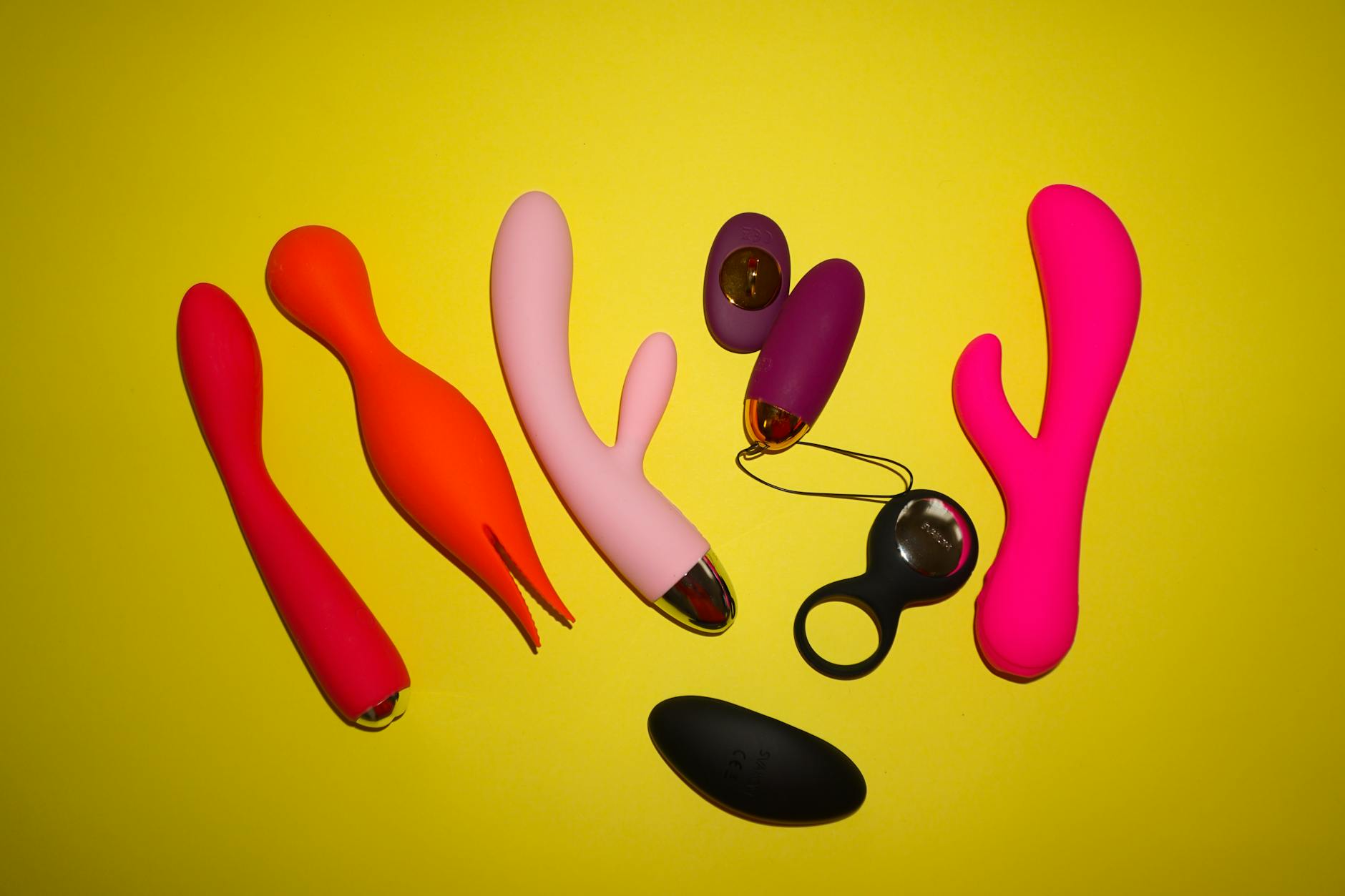
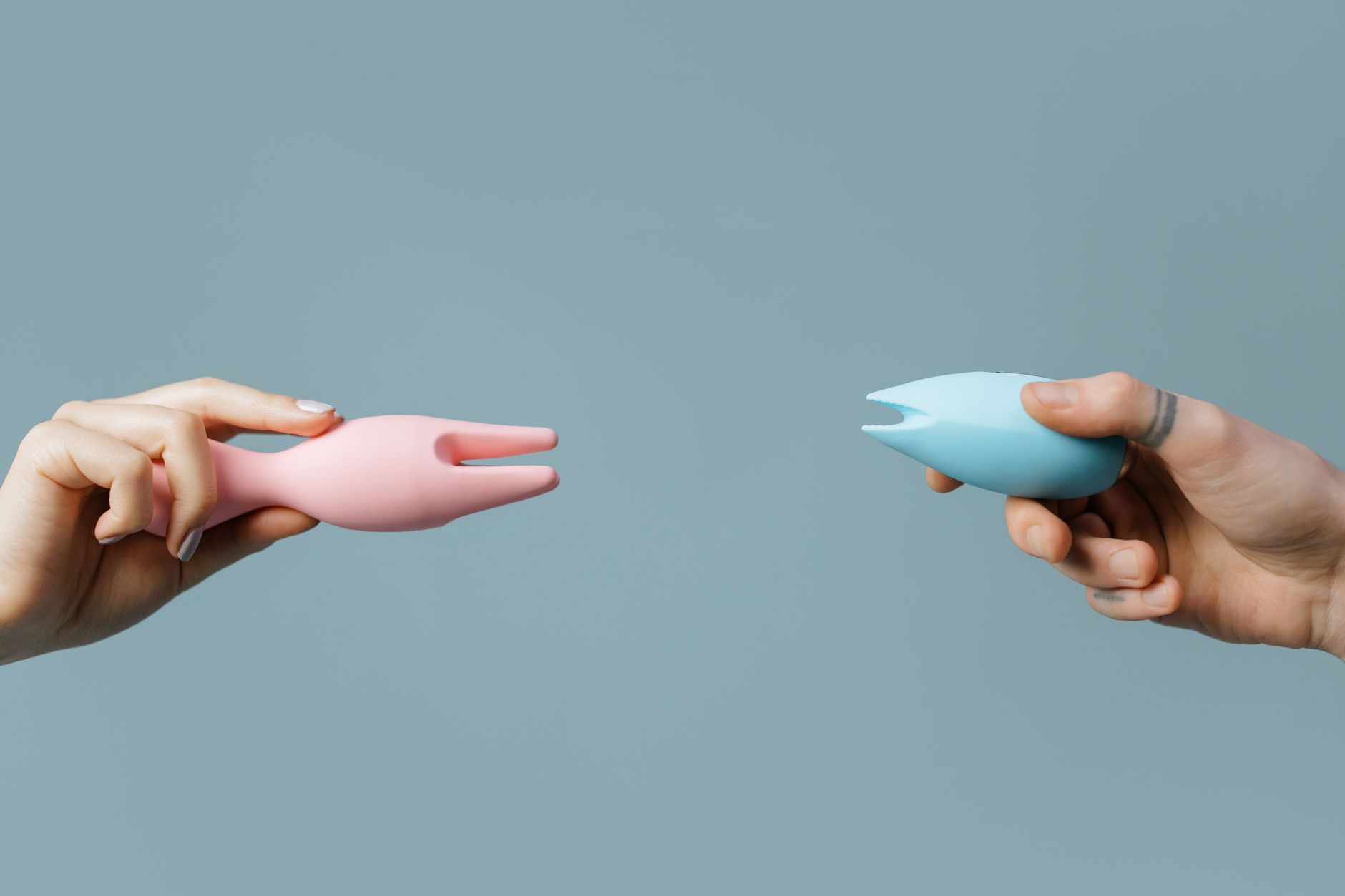
Your medication isn't broken and neither are you. What SSRIs actually do is shift the threshold for arousal and orgasm upward, not flatten it to zero. You still have the hardware. The signal just needs more volume to get through.
Honestly, this matters because most conversations about antidepressants and sexual function go one of two ways: either your doctor tells you it'll be fine (it won't, for about 40% of people), or you assume you're stuck choosing between mental health and pleasure (you're not). There's a third door, and it involves understanding how your nervous system changed and what tools actually work with that change.
I've worked with hundreds of couples navigating this exact friction. The pattern is always the same. Someone starts an SSRI. Their mood stabilizes. Their desire dips or stalls. They don't connect it to the medication at first. By the time they do, they've often added guilt and resentment on top of the original problem. The good news is this is solvable, and lemon clitoral vibrators and suction toys like the lemon vibrator are often the most effective workaround.
SSRIs work by increasing serotonin in the brain. Serotonin is great for mood. It's less great for the cascade of events that leads to orgasm, which relies partly on norepinephrine and dopamine firing in a specific sequence. Higher serotonin can soften that sequence, making climax feel distant or require more direct, sustained stimulation.
The clitoris hasn't changed. Your nerve endings haven't changed. What's changed is how much stimulation intensity and duration your central nervous system needs to trigger release. Think of it like turning up the volume on a speaker. The song is still the same. You just need it louder.
There's also a timing piece. SSRIs can slow how quickly arousal builds and how quickly you move through the phases of sexual response. What used to take ten minutes might take twenty. What used to build on its own might need consistent, external attention to reach threshold.
Here's what makes a lemon vibrator or similar suction toy different from a standard vibrator for someone on antidepressants.
Suction stimulates without friction. The clitoris has roughly eight thousand nerve endings, but they're sensitive to different types of sensation. Friction from a traditional vibrator can feel numbing or painful if you're already experiencing reduced sensation. Suction works by creating a gentle rhythmic pulse that stimulates those nerves without the grinding pressure. For people on SSRIs, this often feels more accessible and pleasurable.
The intensity is modular. A lemon vibrator typically offers multiple suction intensities and patterns. You're not locked into one setting. You can start at level one and work your way up as your body warms into it. This matters because medication-related numbness often feels worse at the start of a session. Patience and graduated intensity can bridge that gap.
The sensation pattern doesn't exhaust the nerve endings. A traditional vibrator with a single, continuous vibration pattern can actually tire out the sensory receptors in the clitoral tissue, especially if your threshold is already elevated. Suction creates a pulsing pattern that gives those receptors micro-breaks, which means you can sustain stimulation longer without that plateau feeling of "I'm right there but I can't get over."
One of the biggest adjustments people need to make is extending foreplay. This isn't about romance or performance. It's neurology. Your brain needs longer to prepare the pelvic floor and increase blood flow to the clitoris. Rushing this creates frustration.
I recommend a minimum of fifteen to twenty minutes of non-goal-oriented touch before introducing a toy. This might be your partner touching you, you touching yourself, or both. The point is to let your nervous system register that sex is happening and start the cascade without expecting an orgasm immediately.
Then, when you introduce the lemon vibrator, start at the lowest intensity. Many people make the mistake of going straight to medium or high because they think "I need more stimulation." You do, but your body needs to learn the pattern first. Give it five minutes at level one. Your tissues are warming up. Your receptors are waking up. This is working even if it doesn't feel dramatic.
If you're with a partner, communication shifts. This isn't new. It's just more explicit. Tell them you're not chasing an orgasm in the first ten minutes. You're building arousal. The goal is sustained sensation, not speed.
Focus on what I call the pleasure arc instead of the orgasm endpoint. Start with direct touch to the outer labia and surrounding areas. Move to the clitoral hood. Then introduce the lemon clitoral vibrator at the lowest setting, using it on the clitoral hood or just above the clitoris, not directly on it. Most people with medication-related numbness find direct pressure too intense.
Variation matters more when sensation is muted. Change the intensity every few minutes. Pause for ten seconds. Shift position. Add a finger inside or don't. The point is to keep the nervous system engaged rather than habituating to one single stimulus.
If you've been on the same antidepressant dose for months and this was never a problem before, consider whether something else shifted. Stress, relationship dynamics, medications stacking, sleep quality, caffeine, or alcohol all modulate sexual response. Sometimes the medication isn't the whole story.
If sexual dysfunction started when you began the SSRI and it's been at least four weeks, bring it up. Don't frame it as "this isn't working" about your mental health. Frame it as "I'm experiencing sexual side effects and want to explore options."
Your doctor might suggest adjusting the dose, timing the dose differently relative to sex, switching to a different SSRI (some are less problematic than others), or adding a second medication to counteract the sexual side effects. All of these are legitimate medical tools. They're not failures or Band-Aids. They're part of optimizing your overall health.
You can also ask about bupropion or mirtazapine, which have different mechanisms and fewer sexual side effects than standard SSRIs. Not everyone can switch, but some can. It's worth the conversation.
Honestly though, many people find that combining medication adjustment with practical tools like the lemon vibrator or other clitoral vibrators gives them the best outcome. You're not choosing between your mental health and your sex life. You're optimizing both.
Partners often feel blamed or inadequate when sexual function changes after medication starts. They think "something is wrong with how I'm touching them" or "they're not attracted to me anymore." Neither is true. But without explanation, resentment builds fast.
Have this conversation outside the bedroom, when you're both calm. Tell your partner that your body's threshold for arousal shifted, not your interest in them. Show them that a lemon vibrator or clitoral sucker is a tool that helps bridge that gap, not a replacement for them. Invite them to be part of the solution. Many partners find this shift gives them permission to be more creative and less performance-focused in their own right.
This isn't going to resolve in one session. Your nervous system needs weeks to adapt to a new pattern of stimulation. The first few times you use a suction toy, it might feel weird or uncomfortable. That's normal. Stick with it.
Many people find that after consistent use over three to four weeks, their baseline sensation begins to improve even outside of sex. This isn't magical. It's the nervous system learning that this type of stimulation is safe and valuable, which increases blood flow and neural sensitivity over time.
If sensation never improves despite consistent effort and partner communication and a conversation with your doctor about dose or medication timing, ask about testosterone therapy or consider whether medication adjustment is needed. Some people's brains simply respond better to different pharmacology. That's not a failure either.
The larger truth here is this: antidepressants save lives. If yours is saving yours, it's worth the work to rebuild pleasure around it. And that work is doable.
Most people notice a shift within three to four weeks of consistent use. Your nervous system needs time to learn the new stimulation pattern and for blood flow to the clitoris to normalize. Don't expect change in the first week. The first few sessions are about acclimation, not results. Some people see improvement in a few weeks. Others take two to three months. Patience matters more than frequency here.
Yes. In fact, working with both simultaneously often produces the best outcome. If your doctor suggests timing your SSRI differently relative to sex (many SSRIs have peaks and valleys throughout the day), use that timing to your advantage. Have sex or use your toy when the medication level is lowest, typically right before your next dose. This isn't cheating. It's working with your biology.
For most people, yes, because suction stimulates without friction and the intensity is adjustable. That said, every body is different. Some people do fine with a standard vibrator once they adjust the intensity and pattern. The key is finding something that feels accessible, not punishing. If a lemon vibrator doesn't work for you after a few weeks, try a different suction intensity or even a different toy entirely. This is experimentation, not failure.
Focus on what you can feel. For most people on SSRIs, the clitoris is more accessible than internal sensation. Lemon vibrators work better when your orgasms feel distant or muted, so start there. Have your partner focus on external stimulation while you use your toy or they use it on you. Penetration can come later, or not at all. Pleasure isn't hierarchical. What feels good right now is what matters.
No. A toy is not a medication and doesn't interact with your prescription. That said, if you're experiencing pain during use, that's worth mentioning to your doctor or gynecologist because it might indicate a separate issue. Otherwise, this is your private exploration and optimization.
Sometimes. Your body can adjust to SSRIs over time, and sexual function can improve months or even years after starting them. But research suggests that for about 40% of people, the side effect persists without intervention. Waiting is one option. Adding a tool like a lemon clitoral vibrator is another. Talking to your doctor about dose or timing or medication switching is a third. None of these are mutually exclusive. You can try multiple approaches.
Your antidepressant is doing its job. Your libido and your capacity for pleasure are still there. They're just working with a different set of parameters now. A lemon vibrator and some strategic patience can bridge that gap. The goal isn't to get back to how things were before medication. It's to find what works now and build from there. That's not settling. That's adaptation, and it's where sustainable pleasure actually lives.